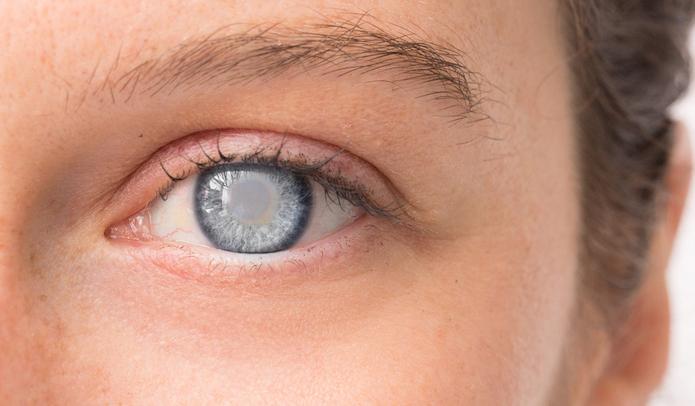

Cataract surgery can dramatically improve your vision and quality of life, but protecting your eyes after the procedure is just as important as the surgery itself. One of the simplest and most overlooked steps during recovery is wearing sunglasses.
Many patients wonder if it’s really necessary to wear them every time they go outside. The answer is yes — and here’s why sunglasses play a key role in your healing and long-term eye health.
Your Eyes Are Extra Sensitive After Surgery
During cataract surgery, your cloudy natural lens is removed and replaced with a clear artificial lens called an intraocular lens (IOL). While this restores sharp vision, it also temporarily makes your eye more sensitive to light.
The corneal incision and the surrounding tissues need time to heal, and the natural lens that once filtered sunlight and UV rays is no longer there. For the first few weeks, bright light can feel harsh or even painful until the eye fully adjusts.
That’s where sunglasses come in — they act as a shield, reducing glare and protecting against harmful ultraviolet (UV) rays while your eye heals.
How Sunglasses Protect Your Healing Eyes
1. UV Protection
Prolonged exposure to UV rays can damage the retina and other sensitive structures in the eye. After cataract surgery, the new IOL doesn’t provide full UV protection on its own — you still need sunglasses with 100% UVA and UVB protection to prevent sun-related damage.
UV rays are linked to:
- Macular degeneration
- Corneal inflammation (photokeratitis)
- Accelerated aging of the eye tissues
Wearing proper sunglasses helps prevent these risks and supports long-term eye health.
2. Reduced Light Sensitivity
It’s common to experience photophobia (light sensitivity) for several weeks after cataract surgery. Bright sunlight or reflections off glass and metal can be uncomfortable. Polarized sunglasses help by filtering out intense glare and allowing you to see clearly without strain.
3. Protection From Dust, Wind, and Debris
After surgery, your eye is more vulnerable to irritation. Wind, dust, or tiny particles can easily cause redness, tearing, or discomfort — and rubbing your eyes to relieve that irritation can interfere with healing.
Sunglasses create a physical barrier, keeping your eyes shielded from environmental irritants.
4. Comfort and Healing Support
Sunglasses don’t just protect — they help you heal comfortably. Reducing light exposure keeps your pupils relaxed, minimizing internal pressure and inflammation. That leads to faster recovery and a smoother adjustment period with your new lens.
What Kind of Sunglasses Should You Wear
Not all sunglasses are created equal. After cataract surgery, look for these key features:
- 100% UVA and UVB protection (labeled as “UV400”)
- Polarized lenses to reduce glare and improve clarity
- Wraparound or larger frames for maximum coverage
- Lightweight, comfortable fit that you can wear daily
You don’t need to spend a fortune — protection matters more than brand names. Even affordable sunglasses that meet these criteria can do the job well.
How Long You Should Wear Sunglasses After Surgery
Most doctors recommend wearing sunglasses any time you’re outdoors for at least the first few weeks after surgery. As your eyes adjust and sensitivity decreases, you can gradually reduce usage — though it’s smart to keep wearing them regularly to protect your vision long-term.
If you live in sunny climates like California, sunglasses should become a daily habit. UV protection benefits your eyes well beyond the recovery period.
The Bottom Line
Wearing sunglasses after cataract surgery isn’t just about comfort — it’s about protection. They safeguard your healing eye from UV damage, reduce light sensitivity, prevent irritation, and support proper recovery. Read full guide on post cataract surgery recovery!
Choose high-quality, polarized, UV-blocking sunglasses and make them part of your post-surgery routine. A simple habit like this helps ensure your new, clearer vision stays bright and healthy for years to come.