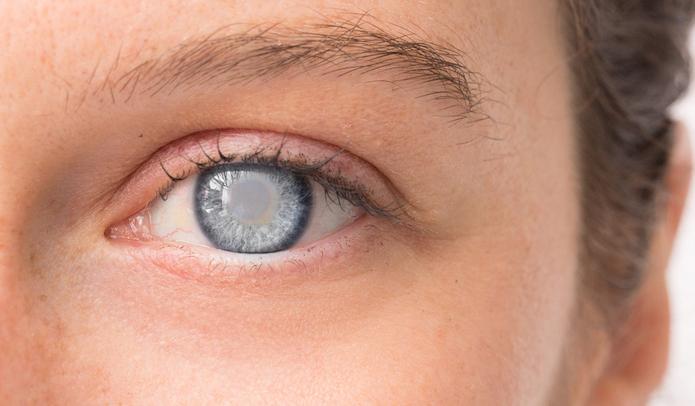

Understanding Cataracts
A cataract is a clouding of the eye’s natural lens, typically developing gradually over time as we age. At Beverly Hills Eye Center, we perform advanced cataract surgery using state-of-the-art femtosecond laser technology and premium intraocular lenses (IOLs) such as TECNIS Symfony™, Alcon PanOptix®, and others. (Beverly Hills Eye Center) Patients often experience restored clarity, reduced dependence on glasses, and better quality of life.
But the implications of cataracts may reach much further than improved vision.
The Vision-Brain Connection: What the Research Shows
Several large-scale studies have examined whether vision impairment—particularly from cataracts—is associated with a greater risk of dementia.
- A landmark cohort study found that among adults aged 65 and older with cataracts, those who underwent cataract extraction had a significantly lower risk of developing dementia compared to those who did not. (JAMA Network)
- A meta-analysis of 4 cohort studies (245,299 participants) found that cataract surgery was associated with a 23% lower odds of all-cause dementia (OR = 0.77, 95% CI: 0.66-0.89) and even lower odds of Alzheimer’s disease specifically (OR = 0.60) in some analyses. (Frontiers)
- Another review noted that cataract surgery may reduce dementia risk, but results were mixed depending on study design and follow-up length. (Harvard Health)
While correlation doesn’t equal causation, the consistency of these findings across populations suggests something important: restoring clear vision might help maintain cognitive health.
Why Might Restoring Vision Help Reduce Dementia Risk?
Several mechanisms may explain the link:
- Sensory deprivation and brain engagement – Vision is a primary channel through which we engage with the world. Poor vision means less visual input, fewer social interactions, and less cognitive stimulation. Vision restoration may reverse that deprivation and help keep the brain more active. (Schomberg Eye Care)
- Reduced isolation and better mood – When cataracts degrade vision, patients may withdraw socially. Social isolation and depression are known risk factors for cognitive decline. Clearer vision can restore social engagement and therefore support brain health.
- Improved mobility and safety – Cataracts increase fall risk, reduced mobility, and worse health overall. Better vision via cataract surgery may improve activity levels, which in turn supports cognitive resilience.
- Shared biological pathways – Some studies suggest overlapping mechanisms (e.g., oxidative stress, inflammatory damage) between eye-disease and neurodegeneration, though this remains an area of active research. (PMC)
What This Means for Your Eye Care at Beverly Hills Eye Center
For patients of Beverly Hills Eye Center, this research adds a meaningful dimension to the value of timely cataract evaluation and treatment:
- If you’re over age 60 (or younger with early lens changes) and are noticing symptoms such as cloudy vision, glare at night, faded color perception, or needing stronger glasses more often—these could be signs of cataracts.
- Even if your vision remains acceptable, discussing with your ophthalmologist about cataract treatment may be worthwhile—not only for vision enhancement but potentially for cognitive health.
- At BH Eye Center, Dr David Kamen and his team provide a comprehensive cataract service: the latest intraocular lenses (including multifocal, toric, and light-adjustable designs) and personalized care. (Beverly Hills Eye Center)
- Recovery from modern cataract surgery is typically fast; most patients return home same day and many resume normal activity within a day or two.
- Beyond surgery, maintaining overall eye health—such as managing dry eye, regular eye exams, controlling systemic health conditions like diabetes or hypertension—also supports visual quality and possibly cognitive health over the long term.
Keywords & SEO Considerations for This Topic
When writing such a post, it’s wise to naturally incorporate keywords that potential patients might use. Some to integrate:
- cataracts and dementia
- cataract surgery dementia risk
- vision loss dementia link
- cataract treatment Los Angeles
- Beverly Hills Eye Center cataract surgery
- multifocal intraocular lenses Los Angeles
- age-related cataracts cognitive decline
- reduce dementia risk vision care
Be sure the keywords appear in key locations: the title, one subheading, naturally in the first 100 words, in alt text for any images, and periodically (without keyword stuffing). Use internal links (e.g., linking to the BH Eye Center’s cataract surgery service page) and external links (to peer-reviewed studies) to boost credibility.
Caveats & Balanced Perspective
It’s critical to present the information accurately and responsibly:
- While multiple studies show a reduced dementia risk among patients receiving cataract surgery, these are observational studies and cannot prove causation. Experts call for more randomized trials to determine whether vision restoration directly delays or prevents dementia. (Harvard Gazette)
- Not all types of dementia showed the same association; for example, reductions in vascular dementia were not consistent. (Ophthalmology Advisor)
- Cataract surgery is not a guaranteed preventative measure for dementia; it is one component of comprehensive health and wellness. Emphasize the broader picture: healthy vision, active lifestyle, brain stimulation, good sleep, cardiovascular health.
Final Thoughts
At Beverly Hills Eye Center, the mission is clear: restore your vision so you can live a fuller, freer life. But thanks to emerging evidence, that mission may extend even further—supporting not only sight, but cognitive vitality. If you’ve been putting off a cataract evaluation, consider scheduling a consultation. Clearer vision might be more than just a cosmetic upgrade—it may be a meaningful step toward preserving your brain health too.