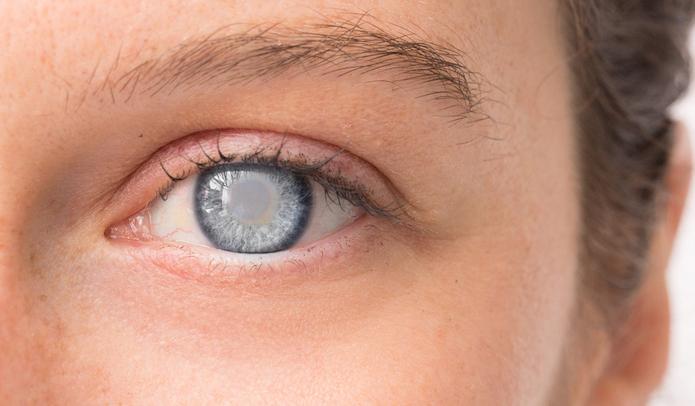

After cataract surgery, your eye needs time to heal from the small incision made during the procedure. Although the surgery itself is quick and painless, the days and weeks that follow are just as important for recovery. One of the most common mistakes patients make after surgery is rubbing their eye. It might seem harmless, but even a light touch can cause complications if done too soon.
Here’s what actually happens when you rub your eye after cataract surgery — and what you should do instead.
Why You Should Avoid Rubbing Your Eye
When your eye is healing, the tissue that was operated on is delicate. The incision made during surgery is microscopic, but it still takes time to fully close and strengthen. Rubbing or pressing the eye can disturb that healing process in several ways.
1. It Increases the Risk of Infection
Your hands carry bacteria and debris, even when they look clean. Rubbing transfers those germs directly into the eye.
Post-surgical eyes are especially vulnerable because the incision provides an entry point for bacteria. In rare cases, this can lead to a serious infection called endophthalmitis, which can cause pain, redness, swelling, and even vision loss if untreated.
2. It Can Shift or Dislodge the Lens Implant
During cataract surgery, the cloudy natural lens is replaced with a clear artificial lens known as an intraocular lens (IOL). This new lens sits securely inside the eye but needs a short period to stabilize.
Applying pressure by rubbing can shift the lens out of its correct position, leading to blurred or double vision, halos around lights, or a sense that your vision is “off.” Severe displacement may require surgical correction.
3. It Slows Down the Healing Process
Every time you rub, you disturb the cornea and the tiny incision that’s trying to heal. This can increase inflammation, prolong recovery, and make the eye more sensitive. Some patients who rub frequently end up needing anti-inflammatory drops for a longer period.
4. It Can Scratch the Eye Surface
If there’s even a small piece of dust or dry skin on your eyelid or lashes, rubbing can scratch your cornea. A scratched cornea is painful, increases light sensitivity, and can blur vision temporarily.
What to Do If You Accidentally Rub Your Eye
Accidents happen — sometimes the eye feels itchy, or you forget you’ve had surgery. If you rub your eye once by mistake, don’t panic. What matters is how your eye feels afterward.
Here’s what to do immediately:
-
Stop rubbing and avoid touching again.
-
Wash your hands thoroughly.
-
Use your prescribed lubricating or antibiotic drops if the eye feels irritated.
-
Avoid pressing or checking the eye again.
-
Watch for warning signs such as redness, pain, swelling, discharge, or blurred vision.
If any of these symptoms appear, contact your doctor as soon as possible. Quick treatment prevents minor irritation from turning into a larger problem.
How Long to Avoid Rubbing Your Eye
Most doctors recommend avoiding rubbing, pressing, or applying makeup around the eye for at least two weeks after cataract surgery. By that time, the incision usually heals enough to handle mild contact, though full stabilization can take a month or more.
During those first weeks:
-
Keep your protective eye shield on while sleeping to prevent accidental rubbing.
-
Avoid letting water, shampoo, or soap run into your eye.
-
Do not wipe your eye even if it waters — gently dab below the eye with a clean tissue instead.
After your follow-up visit, your surgeon will confirm when it’s safe to return to normal routines.
What If Your Eye Itches or Feels Dry
Itching and dryness are common during recovery and often trigger the urge to rub. Instead, try these simple fixes:
-
Artificial tears: Use preservative-free lubricating drops several times a day.
-
Cool compress: Apply a clean, damp, cold cloth over the closed eyelid for a few minutes to relieve discomfort.
-
Avoid dusty air and wind: Both can dry the surface of your eye and make it itch more.
-
Take breaks from screens: Staring too long without blinking can make eyes dry and irritated.
If itching continues beyond the first week, let your doctor know. It could be a sign of dry eye syndrome or a mild allergic response, both of which can be treated easily.
Signs You Rubbed Too Hard
If you accidentally rubbed and now notice any of the following, get your eye checked:
-
Increasing redness or swelling
-
Blurry or distorted vision
-
Sensitivity to light
-
Sharp or throbbing pain
-
A feeling like the lens has moved or something is stuck in your eye
These symptoms may indicate inflammation, infection, or lens movement and should be evaluated quickly.
Safe Habits During Recovery
-
Wear sunglasses outdoors to protect against UV light and dust.
-
Sleep on the side opposite the operated eye.
-
Keep your hands away from your face as much as possible.
-
Continue using your prescribed eye drops exactly as directed.
Even after the first few weeks, it’s wise to avoid rubbing your eyes altogether. Many eye doctors consider it a bad habit that can worsen dry eye and cause long-term irritation.
Frequently Asked Questions
Can rubbing your eye cause permanent damage after cataract surgery?
Yes, if rubbing is forceful or repeated early in recovery, it can cause lasting problems such as infection, lens movement, or corneal damage. However, mild accidental contact usually doesn’t cause permanent harm if treated promptly.
How long after cataract surgery can you touch or rub your eye?
It’s safest to avoid rubbing for at least two weeks. After your follow-up visit, your doctor will let you know when your incision is fully healed.
What should I do if I rubbed my eye and now my vision is blurry?
Blurry vision could mean temporary irritation, but it can also signal lens movement or inflammation. Call your eye surgeon and describe your symptoms — they may want to examine your eye right away.
Why does my eye feel itchy after cataract surgery?
Mild itching is part of the healing process. Use lubricating eye drops and cool compresses, and resist the urge to rub. Persistent itching may indicate dryness or mild allergic inflammation.
Can I rub the other (non-operated) eye?
You can, but it’s best to be cautious. When you rub one eye, it’s easy to accidentally touch the healing one too. Try to avoid rubbing either eye until you’re completely healed.
The Bottom Line
Rubbing your eye after cataract surgery might bring a moment of relief, but it can also undo the progress your eye is making to heal. It increases the risk of infection, can shift your new lens, and delays recovery.
Instead, use artificial tears, cool compresses, and patience. Within a few short weeks, your eye will heal, your vision will sharpen, and the urge to rub will disappear completely — leaving you with clear, healthy sight.