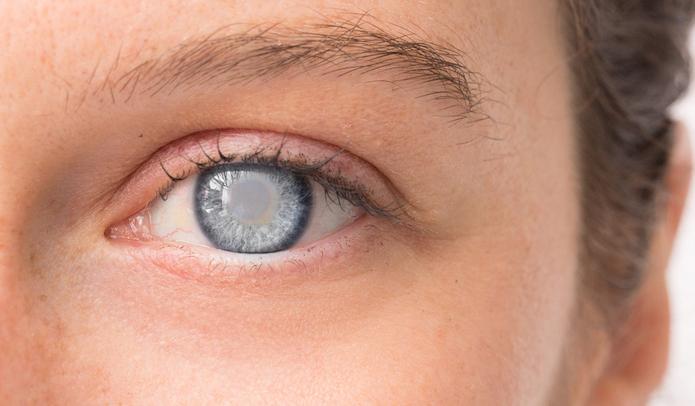

Cataract surgery is one of the safest and most successful vision-restoring procedures available today. The recovery period is usually quick — but only if your eyes are given the right conditions to heal. Two habits that can slow that healing are drinking alcohol and smoking.
Both may seem harmless in moderation, but after eye surgery, they can interfere with recovery, increase irritation, and even raise the risk of infection. Here’s what you should know before reaching for a drink or lighting a cigarette.
Why Alcohol Isn’t Recommended After Cataract Surgery
In the first few days after cataract surgery, your eye is adjusting to the new intraocular lens (IOL) and healing from the small incision made during the procedure. Alcohol can interfere with that process in several ways.
1. Slows Down Healing
Alcohol can dehydrate your body and eyes, reducing the natural tear film that protects against dryness and irritation. It may also slow the absorption of medications or interact negatively with your prescribed eye drops, which are essential to prevent infection and inflammation.
2. Increases Risk of Dryness and Discomfort
Because the surface of the eye is more sensitive after surgery, even mild dehydration from alcohol can cause redness, burning, or a gritty feeling. These symptoms can make recovery more uncomfortable and prolong healing time.
3. Affects Judgment and Care Routine
It’s easy to forget a dose of eye drops or accidentally rub your eye after drinking. Staying alert and careful is crucial for at least the first week after surgery, so avoiding alcohol during this time helps you stay consistent with post-op care.
When can you drink again?
Most ophthalmologists suggest waiting at least 48 to 72 hours before consuming alcohol — and even then, only in moderation once your surgeon confirms your eye is healing properly. Always follow your individual post-op instructions for the safest recovery.
Why Smoking Is More Dangerous During Recovery
Smoking — whether tobacco or marijuana — poses a greater threat to your eyes than alcohol. The chemicals in cigarette smoke reduce blood flow and oxygen delivery to the tissues responsible for healing.
1. Slower Tissue Repair
Nicotine restricts blood vessels, meaning less oxygen and nutrients reach the eye. This can delay incision healing and make your eye more prone to irritation.
2. Higher Risk of Infection
Smoke particles and toxins can enter the eye’s tear film, increasing the risk of infection and inflammation. Even secondhand smoke exposure can irritate a healing eye.
3. Long-Term Eye Health Risks
Smoking is a known risk factor for cataracts, macular degeneration, and other serious eye conditions. Quitting after surgery doesn’t just help your current recovery — it protects your vision in the future.
If quitting completely feels difficult, try to at least avoid smoking for the first two weeks after surgery, when your eye is most vulnerable.
Tips for a Smooth Recovery
- Stay hydrated with water or electrolyte drinks instead of alcohol.
- Keep your prescribed eye drops on schedule — they’re your best defense against infection.
- Avoid rubbing or touching your eye.
- Wear sunglasses outdoors to protect against sunlight and dust.
- Follow your doctor’s aftercare plan and attend all follow-up visits.
Final Thoughts
Your eye’s recovery after cataract surgery depends on how well you care for it in the days that follow. Avoiding alcohol and smoking — even temporarily — can significantly speed up healing, prevent complications, and help you enjoy your new, clearer vision sooner.
To learn more about the procedure itself, visit the Cataract Surgery service page and if you want a full breakdown of safe recovery habits, check out our comprehensive guide:
👉 What Happens After Cataract Surgery: Complete Recovery Guide